article · Kitchen & bath
Stone Window Seat: review object coordination
An interior stone window seat is a decorative landing for cushions, books and occasional plant pots beside a glazed wall. Consider this hypothetical object coordination problem: The owner changes the intended use from a plant landing to a seat for people. Object and opening coordination asks whether the occupied surface still supports its intended work. In this exercise an actual fixture, appliance or everyday object changes the usable arrangement.
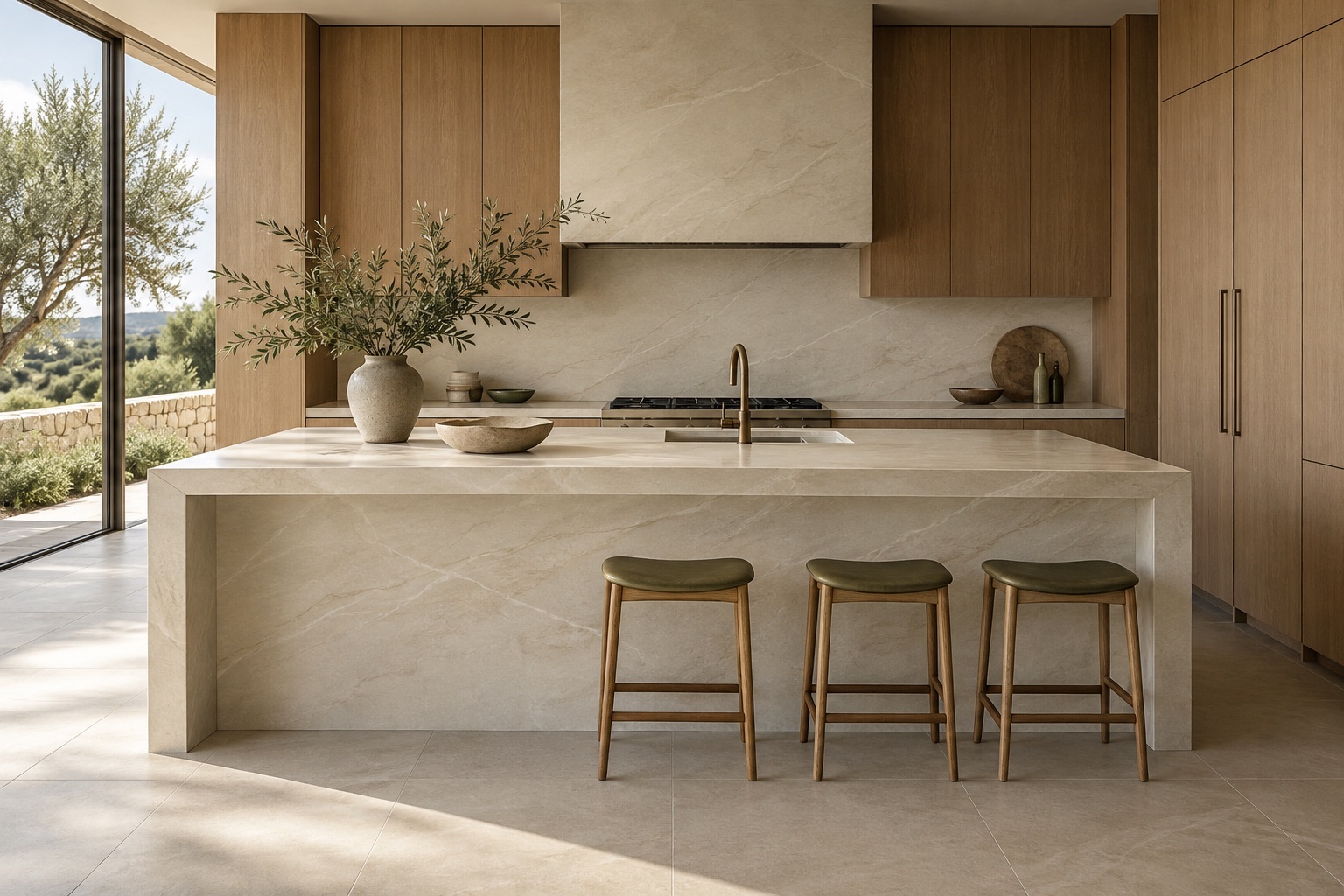
Develop the object coordination case
An interior stone window seat is a decorative landing for cushions, books and occasional plant pots beside a glazed wall. Consider this hypothetical object coordination problem: The owner changes the intended use from a plant landing to a seat for people. Object and opening coordination asks whether the occupied surface still supports its intended work. In this exercise an actual fixture, appliance or everyday object changes the usable arrangement.
A worked object and opening schedule for stone window seat could begin with these explicitly provisional entries: Objects: cushions and pots; intended use: changed; professional suitability assessment: not yet received. Natural Stone Institute installation resources identify fabrication and installation as technical subjects requiring appropriate project assessment. Treat the proposed drawing as a coordination request: owner approval of the appearance does not establish support or cutout suitability. The record distinguishes an object footprint, a requested opening and the working area left beside it. Those entries have different reviewers: users can demonstrate their routines, while responsible trades assess technical openings and clearances using actual product information.
Complete an object and opening schedule
The focused task for this stone window seat decision is: Include cushion sizes, plant pots and the intended human use in the review so a decorative shelf is not assumed to be an assessed seat. In this example, the completion or exception condition is specific: The arrangement remains conditional until the designer and fabricator assess the stated use rather than a shelf photograph. The change from landing to seating alters the question professionals are asked to assess; keeping that use explicit prevents a decorative approval from certifying occupancy. The task is to test the arrangement with the relevant object represented accurately. Ask the user to show the action that the proposed position must accommodate and the professional to identify any information still required.
Apply the decision to the actual responsibility boundary for stone window seat: The designer and fabricator assess bearing, anchorage and the intended seat use; a stone shelf photograph cannot certify suitability for people to sit on it. Close the schedule with actual object references and separate user and technical decisions. A later fixture substitution may reopen this coordination even when the object has the same advertised color or approximate size. The example remains an editorial exercise; its provisional entries are prompts to obtain real project answers, rather than claims about an installed job or a supplied product.
Sources
- Care and cleaning of natural stone Natural Stone Institute
- Installation standards for countertop fabricators Natural Stone Institute